Chelsea Nodin
Runs the delivery engine that keeps every CI Web Group client account on track.

Chelsea Nodin is Executive Director of Operations at CI Web Group, where she runs the day-to-day delivery engine behind every client account.
She owns the systems, workflows, and standards that let the team ship AI-first websites, content, and agent work at scale — without dropping the quality or the deadlines that keep clients with us for years.
Trusting That You Already Know What to Do
There’s a common saying that growth is what happens when you step outside of your comfort zone. Even as I typed that, the auto complete was finishing the sentence for me. In my life, I have chased growth, looked for ways to improve, to be a better mom, a better wife, a better human. But I did not know what it was like to truly operate outside my comfort zone until I met Jennifer Bagley.
When I first received a cold LinkedIn email from CI Web Group, I was just starting to plan a timeline for dusting off my resume and looking for a new role. Jenn likes to tell the story of how I cut off a former VP who was interviewing me so I could get to my own questions before time was up. I don’t recall that particular moment, but I do remember having so much I wanted to ask and watching the hour run out. I’ve always approached interviews by being as authentic as possible, assertiveness included. If they can’t handle who I actually am, I don’t want to work there. It must have worked. A few hours later I had an accepted offer, and I spent the next week reminding myself that this whirlwind hire actually happened.
On day one, I was thrown into the deep end. On day three, Jennifer called me at 6:30 AM and this non-morning person wondered where she had landed. We had a client meeting that morning and Jenn wanted to align on what we were presenting. Meanwhile, I just wanted to still be sleeping. By week two I was mentally drained every single day. Stimulated, finally — and exhausted by it. The thing about Jennifer is she doesn’t wait for you to catch up, which is sometimes frustrating. I like planned out communication schedules, known deadlines, organized projects. She likes things done yesterday, in the moment, without a plan, get it done. You can see how that could clash.
I spent the first four months at CI Web switching between feeling exhilarated and terrified. I felt like a fish out of water, a complete impostor. I just knew Jennifer could see right through me to all my failings. And I wasn’t wrong, she did see right through me. Through all my fear of not being good enough to my potential. Through all my mistakes to the growth it was building. Through the box I had unknowingly put myself in to the firecracker dying to get (back) out.
I knew I could do the job but I was not used to what felt like constant questioning. Why is it this way, why did you do this, why did your team do this, why isn’t this done yet, why didn’t you use this process?
I’ll never forget the terror I felt when a random 3pm Friday meeting showed up on my calendar with our C Suite. I managed to convince myself I was about to be fired. I’m the primary breadwinner in our home. Not having a job isn’t an option. Full stop. In that room, Jennifer looked at me and said “You are about to be the SEO Director for the agency working with the biggest manufacturer in the world. You can do it but you have to dig deep and really want it.” I left that conversation and went to BOLD with her challenge fresh in my mind.
For those that don’t know, BOLD is an intense immersive leadership retreat unlike any you have ever experienced. It is life changing. Yes I know that sounds cliche. Yes I’m sure you’ve been to something you think is similar and it can’t be that different. You’re wrong. It is filled with moments that require extreme vulnerability. During one particularly impactful fireside process, I realized the root of my impostor syndrome: I never feel good enough. I wrote that on a board, then karate chopped it to see the literal break. I still have the broken board, a physical reminder of the breakthrough I experienced. I came back with a vengeance. I had a newfound purpose and a goal: to be the best SEO Director the world’s biggest manufacturer deserved. In hindsight, that seems so narrow-minded; my role has grown to encompass so much more than that.
Growth is a way of life at CI Web, and I was about to move through the biggest season of it I’d ever experienced. When you work for startups and smaller companies, you get used to having your hands in everything. Everyone is a little scrappy and surviving means having the grit to get it done. But CI Web wasn’t a startup, it was a 320+ person company with a C suite, a full team of directors and managers and layers upon layers of people. We moved slowly, slogging through process changes and rounds of approvals. We had a leadership team full of friction. We had team members spinning their wheels with busy work. We had an unchecked and unmanaged contractor team. I’m not pointing fingers, we were all guilty to some degree. And we weren’t going to grow without serious change.
Change started small. Closer looks at what everyone was actually accomplishing. How valuable is that role, that tool, that vendor, that contractor? We started shrinking and stayed productive, so we kept going. We knew we could do things better, faster, and more efficiently, so we stress-tested the system. Anyone who had been skating by did not make the cut. We replaced individuals with improved processes, talked openly about automations and how we could reduce resource expenses, and left no stone unturned. We didn’t just evaluate people — we went through every piece of the business looking for waste. Software subscriptions were one example. Jennifer would travel, come back, look at her Amex bill, and have no context for half the charges, so she’d just start canceling things. One day she called me, frustrated: “I need someone to get in the weeds and pay attention.” I told her to give it to me. We audited every recurring subscription, questioned how needed it was, checked usage, and removed seats. We found gaps in our offboarding process where former employees and clients were never removed from the software, so we kept paying for things nobody was using. In the first year alone, just from paying attention, we saved over $150,000. We raised the bar and stopped accepting mediocre work. The team continued to shrink. Teams get squirrely when roles start disappearing but when we started trimming leadership, people were downright scared. Some decided to jump ship.
We had hard conversations. Harder than I’ve ever had to have in my life. I was in the room, and more often than I preferred, I was the one who had to make the call. That meant deciding about people I liked and respected, knowing that choosing to let someone go could also make life harder for everyone who stayed. Living with that is hard. It sucks. At one point I texted Jennifer in tears and asked, “How do you make the choice that your friend no longer has a job?” Some of those conversations turned out differently than I feared — there were times Jennifer and I found another way instead of letting someone go. Other times we got it wrong before we got it right: some people were put in unfair positions, we didn’t bring them along and train them the way we should have, and then they weren’t what we needed anymore. That’s on us. It’s hard to sit with. Leaders make decisions that ripple through people’s lives, and I was making calls I knew would be remembered as a bad moment in someone’s career. But not making the choice would have weakened the team we were trying to build. Many times I didn’t agree with the decisions we made, and I pushed back in many spirited debates. I was adamant that someone shouldn’t be promoted, and they were anyway. I didn’t think we were ready to move to a new system — communication around it was sloppy — but it rolled out regardless. More than once I thought we were rushing, and we forged ahead anyway. Sometimes I was right. Sometimes I wasn’t. In leadership, there are times you have to say your piece and then agree to disagree. I once had a boss who called this “disagree but commit.” Disagreeing is fine in the room, in the debate — that’s where it belongs. But once a decision was made, the leadership team had to be aligned in front of everyone else. So regardless of my personal view, I led my teams forward in whatever direction we landed on. I’d already had my chance to make my case.
This clashed with how I prefer to function. I like to plan; this required me to act. But how I operate has slowly changed too. I’m faster to make hard calls now. I don’t spend as much time planning as I used to — and if I’m honest, some of that planning always came from my fear of not being good enough. The more I could think through every possible scenario, the more validating feedback I could get, and the higher my confidence. Acting fast meant I didn’t have the luxury of stewing in decisions I didn’t like anymore or time to second guess myself. I had to learn to dive right in and risk being wrong. But that lesson was never really about the action — it was about learning to trust myself. I already knew what to do. I just needed the confidence to actually believe it. There were places I should have jumped in sooner. When everyone around me was learning new platforms and vibe coding, I kept operating the old way for months longer than I needed to. Once I finally jumped in, I didn’t just have fun with it, I was able to coach my team through the same jump instead of watching from the sidelines.
The thing is, what got you here won’t get you there. Again, cliche, but true. Not everyone can make the transition from what it takes to build and run a $15 million dollar company to what it requires to operate at $50 million, etc. Through it all, we did not hide what we were doing. We painted the picture of our goals to be a smaller company and rely more on automations and AI. We invited people to come along with us. We gave direction, asked for input. Those that jumped in and learned stayed. Those that didn’t evolve chose to leave themselves behind.
We have an amazing team, and it didn’t happen by accident. Jennifer is a visionary who never stops pushing all of us to level up. It’s not encouragement. It’s a requirement. I’m a big fan of Hamilton, and there’s a description of him in the show that could just as easily be about her — someone who never hesitates, never holds back, keeps winning no matter what gets thrown at her, and changes the game and raises the stakes every time she plays. Another leader in our company once told me, “You deserve to have a strong team.” I agreed and moved on from that conversation, the way you do when something sounds nice but doesn’t fully land yet. Two years later I am finally seeing exactly what they meant. Right now our team is 38 people, down from over 320. Every person is strong enough that we spend our time working, not covering for each other. Work doesn’t land in our lap because someone else dropped the ball. We get our work done, we help each other when we can, and we can depend on the rest of the team doing the same. It’s a far cry from the bloat and politics we used to have. Managers do not waste time babysitting laziness. Nothing is manual unless there’s truly no alternative, and even then we’re still always looking for a way to automate it. Every person knows every person on the team. I once sat in a meeting where Jennifer and other leaders didn’t even recognize the names of whose jobs we were discussing. That never happens anymore.
None of that happens without the right people. A few of them make this job what it is for me personally. I love my girls Melanie and Jazmin, fiercely. Together with Jennifer, the four of us are a powerhouse dream team of women running this business. I can’t imagine doing this with anyone else.
When I first started at CI Web, someone told me, “I go where Jennifer goes. I don’t care about CI Web. I care about her.” At the time, I thought, it’s just a job. Now I get what they meant.
I’ve also been so blessed to bring one of my best friends into this company and get to work alongside him. Seth is such a dynamic leader, and he’s pushed me to grow in more ways than one. He’s taken over things I used to handle myself, and it’s humbling in the best way to watch someone who reports to me outperform me at my old job. I had to learn to appreciate our differences instead of getting jealous or worrying that his success would somehow diminish mine.
It’s impossible to name everyone in our company who has touched me without naming all 38 of them, but I want to call out a few I work closest with, all strong operators in their own right: Ryan, who is so passionate about excellence and making sure things actually get done. Hoda, who has a great eye for detail, is endlessly proactive, and always has a cat story ready to swap with me. Kate, the most organized and hardworking human I know. One day we will combine our love for homesteading and be unstoppable. Lori, who has taught me so much about how our AP works as we partner on internal subscriptions, making sure everyone has what they need. She always has kind words for me and can cheer me up no matter how bad my day is. Addison, who has a gift for spotting roadblocks before they become problems and is never afraid of giving feedback. Allula, who has grown by leaps and bounds since I met him and can figure out absolutely anything. Vee, my fellow redheaded wine-drinking Oregonian. And the whole tech team — Chris, Blake, Braedn, Marcos — some of the nicest humans you’ll ever meet. They’ve never once made me feel stupid for asking a question, and they’ve taught me more than they probably realize.
Jennifer’s gift of vision doesn’t just extend to our business roadmap. It extends to the team as well. Just like she saw me, she sees everyone. Their potential. Their drive. Their determination. She pulls them out of their ordinary and invites them to dream bigger. Do more. She doesn’t celebrate when someone levels up. She simply expects it, every time. That’s hard. She gives direct feedback, sometimes very publicly. But if you know Jenn at all, her intention is never mean. It’s never “you’re bad” — it’s “here’s the problem, this is wrong, we need to change this, I would do it this way.” It can come out harsh. But it stems from a deep caring and a deep desire for everyone to succeed. I’ve also watched Jennifer grow and evolve right alongside me. I don’t think she knew what to do with me at first. But she learned how I operate, and now I notice her saying things like, “I know you need a minute to process and think,” before pushing for an immediate answer. She’s made an effort to communicate the good things she sees, too. Earlier this week, she asked Melanie and me to schedule 30 minutes with her, and the entire sync was her naming off things she’d noticed me doing recently that she loved and wanted more of. That was it. A full 30 minutes, just so the praise didn’t get lost in the shuffle. It’s things like that — not the big moments, the small deliberate ones — that is why I stay and keep building with her, why I keep going on this journey no matter how rocky it gets. One day earlier in our transformation she asked me to head a department she was creating. That department was a lot of things under one umbrella — helpdesk, QA, and a small team of AI developers building automations. I joked that it was the island of misfit toys. She initially pitched it to me as Director of IT. It was out of my comfort zone. It wasn’t a role I had ever considered.
I have spent my entire career in marketing, with a heavy emphasis on SEO. I’d just grown from Senior SEO Director into Senior Marketing Director, picking up our advertising work along the way. I’m tech-minded — I grew up with a software engineer dad who built things like DNA-analysis programs — but I went to school for biology and never finished. I got my start in marketing as a part-time writer, six months pregnant and desperate for a job. Me, an IT director? Not on my bingo card for this lifetime.
I actually asked her if it was a pity role. She was shocked I’d even thought that, and rattled off the reasons she wanted me there: I’m pragmatic, I’m good at project management, I don’t let people push me around, I apply logic, I think strategically. She landed on a different title instead: Senior Director of Digital Transformation.
But I said yes and learned more than I ever imagined. It set me up for where we are now.
The role taught me how to support the tech side of the business by protecting the team’s time. I took over minor troubleshooting, platform changes, basic setups — nothing that required a developer, just some learning and an innate curiosity about how things work. I’ve never liked relying on other people to handle things for me; I’m told my first sentence as a baby was “I do myself,” and that’s a trait I’ve carried my whole life. So instead of having the team handle something for me, I’d ask them to show me how to do it myself. It let me become the first line of defense, take over training other teams, and free up real engineering time for the things that actually needed a developer.
Eventually the production team moved under my umbrella, marketing came back to me, and the content team followed. At one point I was leading over 80 people — more than double the size of our entire company as of this writing. As the tech team’s role kept growing, it became obvious I wasn’t the right person to lead it long-term, and we rightfully promoted Chris to CTO to work more closely with Jennifer on that department’s direction. We’ve evolved so much that traditional roles barely make sense anymore. What needs to get done, who’s the best person to do it, whether we need to shift anything to make that happen — that’s mostly how we operate now.
The impostor feeling I described earlier was never really about competence, it was about perception. The truth is, I don’t actually care about SEO but it’s where I’m most experienced. I’ve wanted to move into operations for a long time, and I felt like a fraud because I knew I wasn’t living up to what I believed an SEO director should be.
The wrong mindset cost me. The first time I had to let someone go, I wasn’t able to replace them. It froze me. For a long time after that, I avoided making hard calls about people, which meant I spent my time, and everyone else’s, babysitting problems I should have solved.
At some point I realized that living in that impostor mindset was never going to get me to where I actually wanted to go. So I started owning operations wherever I could, even while I was technically still boxed into SEO. When we adopted Asana, I refused to hand it off — even though we had an actual director of project management at the time — and I built out our entire company in it, every board, every rule, every template, customized for every team, in three weeks. I’ve never seen it done in under three months anywhere else. I started asking myself, if I were acting like a COO right now, what would I do differently? I still don’t get it right all the time. But I try a lot more than I used to.
Today I still oversee our SEO team, but I primarily own Operations. My title is literally Executive Director of Operations. One day I want to be COO.
Just this week, I was sick of running our production pipeline off a spreadsheet that wasn’t working anymore. I’d wanted to move it back to Asana for a while, but it was a process Jenn dictated, and I hadn’t been willing to contradict her. I finally had enough. In a meeting with two of my directors, I said, “I’m moving this into Asana right now. Jennifer named me Executive Director of Operations, and I’m just going to tell her this is what the company needs to operate effectively.” A couple of them wished me luck, and I could tell from their faces they didn’t think Jennifer would go for it. But I know something they don’t: Jennifer loves when people tell her how it needs to be done. She might not agree with the choice, but she loves when someone owns it. Her response to my executive decision was a request to see it before it rolled out and a promise from me that it would stay updated. I would not have been that assertive when I started. Now it’s my normal way of operating.
Growth outside your comfort zone isn’t just a saying to me anymore. I know exactly what it means now, and it isn’t a sentence autocomplete could ever finish for me. It’s deciding to move the pipeline before you’ve gotten permission. It’s trusting that you already know what to do. That’s the growth Jennifer pulled out of me — not by celebrating it when it showed up, but by expecting it all along.

Hands Up.
A CEO's Letter to the Generation That Will Inherit What We Build — by Jennifer L Bagley.
“He shipped because he could not stand the alternative. So do we.”
Chelsea Nodin’s story — the one you just read — is part of the book. The digital edition is free.
The free digital edition lives at jenniferbagley.com/book.
- Jennifer BagleyHands Up — free digital edition
- RoseI Walked In Looking for a Job
- Melanie OsioBuilding the Company That Builds You
- Jazmin RamirezThe People I Show Up For
- Michael ParkerThe Merge Was Always Coming
- Michael HicklenI Know You
- Kathy MarshallMy Why
- Ryan LloydAll In
- J. Clayton Howard, Jr.A Nine-Year Education in What Real Leadership Looks Like — by J. Clayton Howard, Jr.
- Camille PorcoMy CIWG Journey
- Braedn HeneyFix What’s Producing It
- Marcos JimenezGrowing With CI Web Group
- Liz SloneBuild the Boat
- Allula TekaHow You Choose to Think Is a Decision
- Stephanie HarrisFinding My Voice
- Addison McKissackThe One Constant Is Change
- Blake LindleyEach One Made the Next One Possible
- Danielle OsioHolding On for the Ride
- Danny LoaIf We Put in the Work, It Will Always Show Up
- Donald Tremel IIIThe Road Still Being Built Beneath You
- Hoda CastletonI Still Believe in What She's Building
- Katelyn TorresGrowth Happens on the Other Side of Discomfort
- Krista GlasserMore Than I Expected
- MaryJo MickalichBuckle Up. Hands Up. Let's Ride.
- Vee NettlesThe Next Chapter
- Marina BrenkoGlad to Be Back Home
“That’s the growth Jennifer pulled out of me — not by celebrating it when it showed up, but by expecting it all along.”
Behind the scenes and the results we deliver
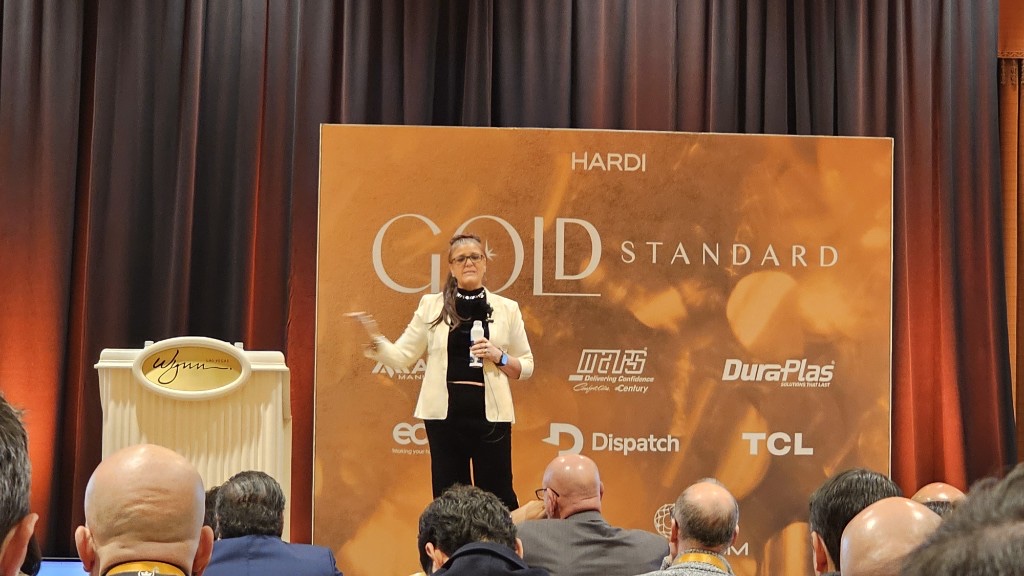
In the Field
See the CI Web Group team on site with clients, at industry events, and behind the scenes building the platform that powers the trades.
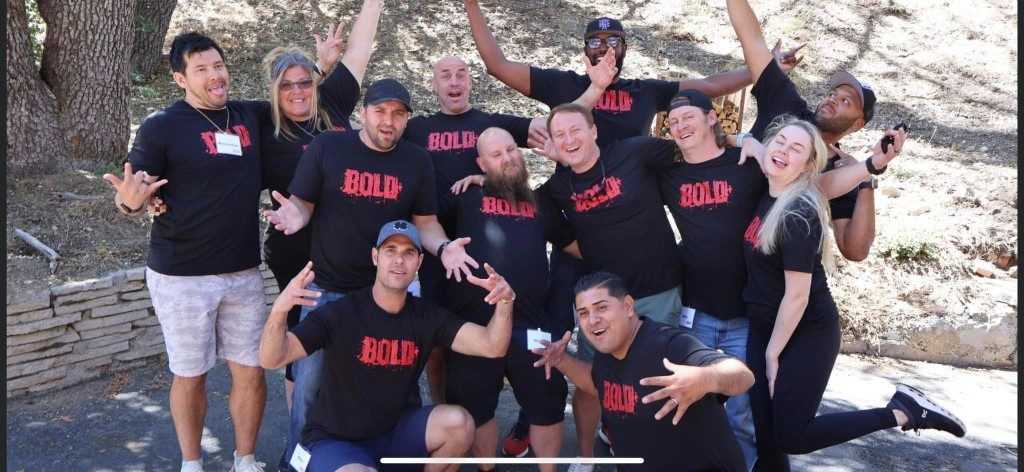
BOLD Graduates
Meet the operators who completed CI Web Group's Business Operator Leadership Development program — the training pipeline that builds the team.
Talk to a senior operator.
Every CI Web Group account talks to senior operators who actually run the platform.
- 30-minute Zoom
- No deck, no pitch
- Strategist, not SDR
- Walk the live dashboard
Start right here on ciwebgroup.com.
Booking and contact requests run through our on-site Get Started journey, so every inquiry lands in one place. Pick a time or tell us what you need there.
Book a strategy callOne journey · strategy to signed plan at /get-started