There is a moment every contractor recognizes. The homeowner has three quotes on the kitchen counter, yours is not the lowest, and you can feel the conversation sliding toward the only number on the page. Most owners respond by sharpening the pencil. The ones who build durable companies do something else entirely.
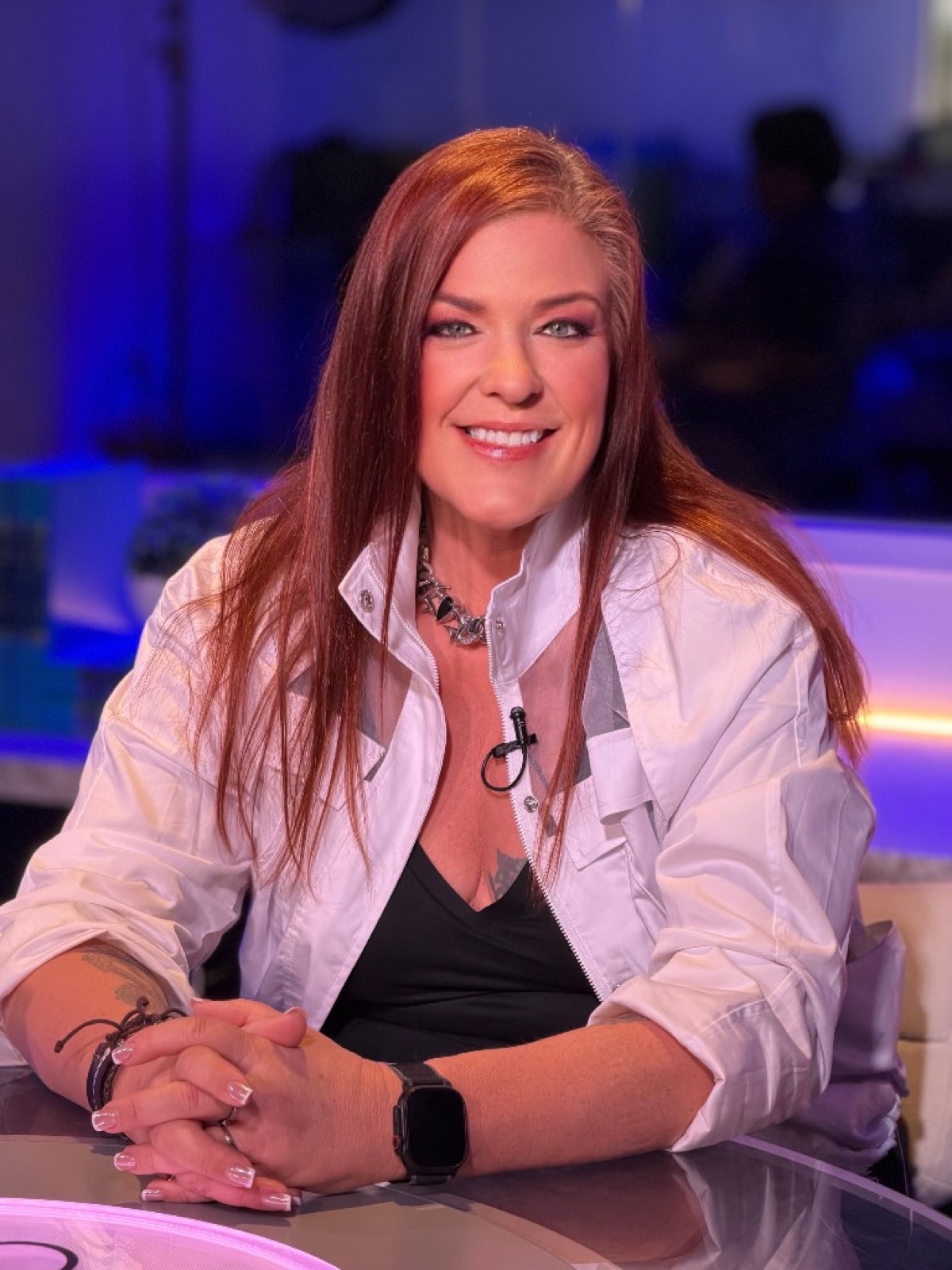
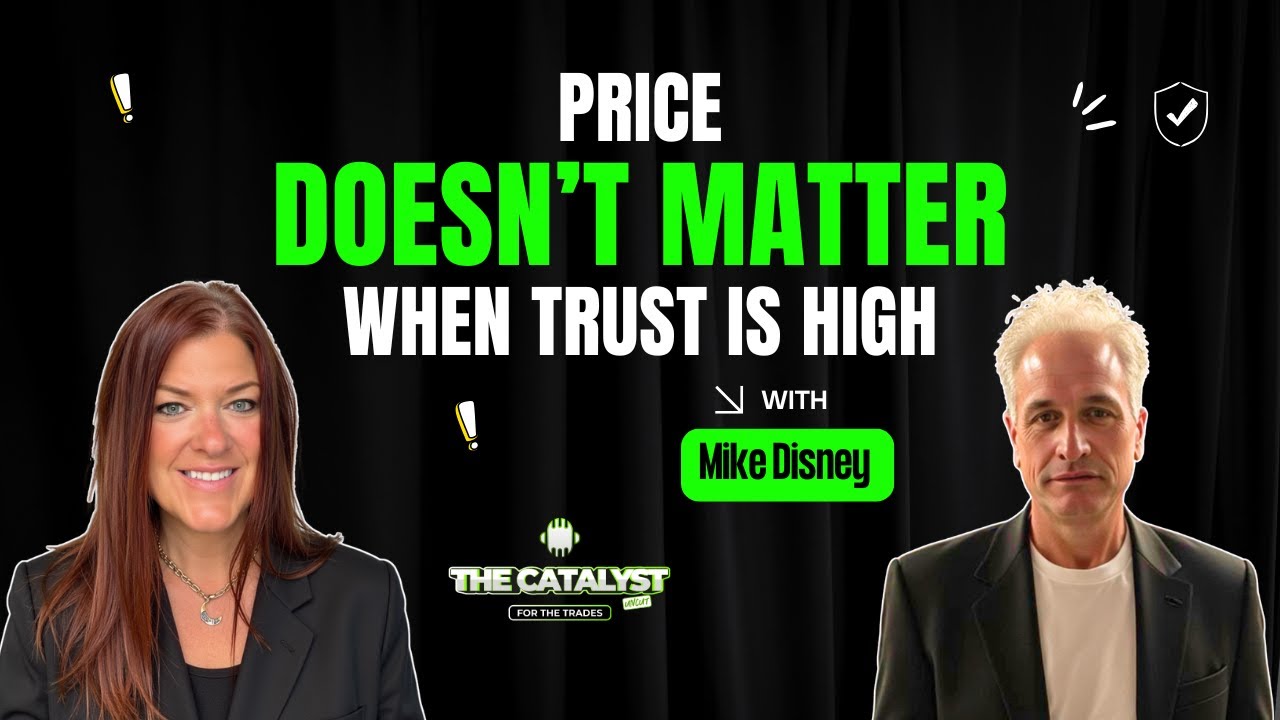
That is the subject of this episode of The Catalyst for the Trades, where Mike Disney sits down with hosts Jennifer Bagley and Chuck Staszkiewicz for 54 minutes on what actually separates the companies that win at full price from the ones stuck bidding against the bottom.
Who is Mike Disney?
Mike Disney is the founder of Winding River Recruiting, and one of the more credible voices in the trades on hiring and organizational leadership — because he has done the job from inside operating companies, not just advised from outside them.
- 12+ years of hands-on trades industry experience.
- Executive roles at Gold Medal Service and CEO Warrior — one a large operating home-service company, the other one of the best-known coaching organizations in the industry.
- Hundreds of trades businesses shaped, including guiding companies through private-equity transitions — the exact moment when culture and recruiting either hold or break.
- Now focused on recruiting, culture, hiring, and retention for contractors through Winding River Recruiting.
That last line is the one to sit with. Disney's answer to "how do I stop competing on price" runs through who is on your trucks — not through a new discount structure.
Why the cheapest bid is the weakest position
Price is the only claim a homeowner can verify instantly. Everything else — competence, honesty, whether the technician will actually show up in the window — requires trust that a stranger has no basis to extend yet. So when a company leads with price, it is competing on the single dimension where the smallest, hungriest, least-established operator can always beat it.
The episode's framing is blunter than most: winning without being cheapest is not a pricing tactic. It is the visible output of four things that take years to build and minutes to squander — leadership, trust, brand consistency, and the caliber of people you managed to hire.
The five moves the episode actually covers
1. Find mentors you can vet — and filter the noise (12:50)
The trades have never had more free advice or less quality control on it. Every platform is full of operators posting tactics that worked once, in one market, under conditions they do not disclose. Disney's segment on finding mentors and filtering information is about developing a test for advice before you spend money acting on it: who is saying it, what did they actually run, and does their situation resemble yours?
This is the highest-leverage discipline in the list, because every other decision downstream — what to pay, who to hire, what to buy — gets made using the information you let in.
2. Positive leadership is a recruiting strategy (21:00)
In a labor market where good technicians choose their employer, the way you lead is a public-facing product. Techs talk. They know which shops burn people out, which owners blame the field for office mistakes, and which companies actually promote from within.
The episode treats positive leadership not as a soft value but as the mechanism that makes recruiting possible at all — because the best hires are usually referred by people who already work for you, and nobody refers a friend into a bad culture.
3. Brand consistency is how trust survives the gap (27:00)
A homeowner meets your company several times before they meet a human being from it: a search result, a review profile, a truck at a neighbor's house, a website, an AI answer summarizing all of the above. Every one of those has to say the same thing.
When the truck, the uniform, the website, and the phone greeting agree, the price on the estimate reads as a considered number from a real company. When they disagree, the same price reads as a guess — and the homeowner reaches for the cheapest quote, because nothing else has given them a reason not to.
4. Competing head-to-head is a process problem, not a personality one (34:00)
The segment on mindset and process makes a point worth repeating to every sales meeting: consistent wins against direct competitors come from a repeatable process — how the call is booked, how the tech presents options, how the follow-up happens — not from whoever happens to be the most charismatic person in the truck that day. Charisma does not scale. Process does.
5. AI, tech adoption, and the future of recruiting (40:50)
Disney and the hosts close on where hiring is going as AI reshapes both how contractors operate and how candidates find work. The through-line is the same as everywhere else in the episode: the tools change constantly, and the fundamentals — clear roles, honest expectations, an onboarding process that does not abandon a new hire in week two — do not. The final chapter on recruiting best practices and onboarding that works (46:00) is the most immediately actionable stretch of the hour.
What to do with this on Monday
The episode is a leadership and recruiting conversation, and most of the work it points to is internal. But two pieces of it are ours, and they are the ones contractors most often leave undone:
- Make the brand consistent everywhere a stranger meets it. That is the website, the local profile, the reviews, and increasingly the AI answer — see our work on AI Local and Google Business Profile management and reputation management.
- Make the recruiting story public. The best technicians research an employer exactly the way homeowners research a contractor. A careers page that shows the culture Disney is describing does more hiring work than a job board post.
Watch the full episode
The full 54-minute conversation with Mike Disney — including the segments on the state of the trades, private equity, and onboarding — is worth the drive time. Find it on The Catalyst for the Trades, hosted by Jennifer Bagley and Chuck Staszkiewicz.
Frequently asked questions
Who is Mike Disney?
Mike Disney is the founder of Winding River Recruiting, a recruiting firm serving the trades. He has 12+ years of hands-on industry experience and previously held executive roles at Gold Medal Service and CEO Warrior, working with hundreds of trades businesses including companies moving through private-equity transitions.
What is Winding River Recruiting?
Winding River Recruiting is Mike Disney's firm, focused on helping contractors recruit better, build stronger cultures, and improve hiring and retention.
How do contractors win jobs without being the lowest bid?
By competing on dimensions price cannot touch: consistent branding across every place a homeowner encounters the company, a repeatable sales and service process rather than individual charisma, leadership that retains good technicians, and the trust signals — reviews, local presence, professional presentation — that make a higher number read as a considered price instead of a guess.
Where can I watch the Mike Disney episode of The Catalyst for the Trades?
The episode, titled "How Top Contractors Win Jobs Without Being the Cheapest," is on The Catalyst for the Trades podcast channel on YouTube. It runs 54 minutes and is hosted by Jennifer Bagley and Chuck Staszkiewicz.